

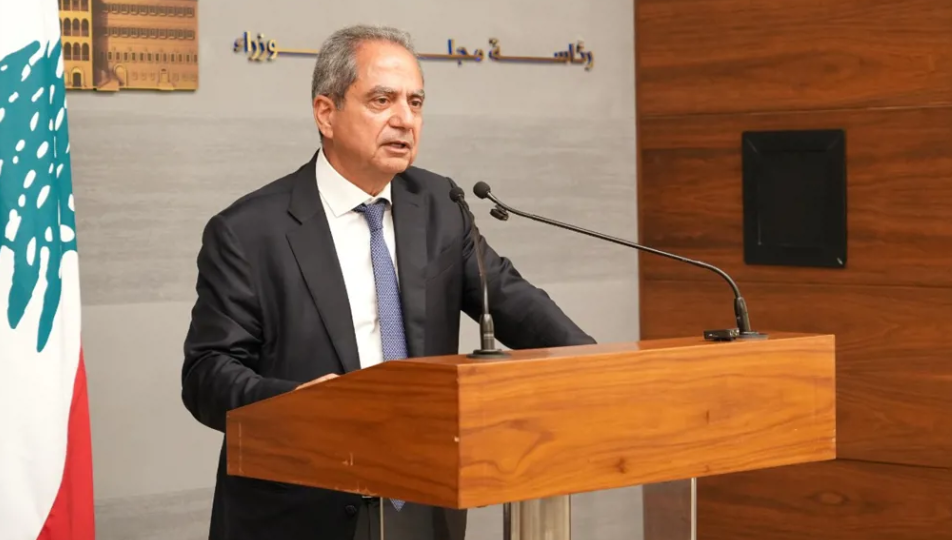
On July 23, 2026, Lebanon’s Council of Ministers approved the most significant structural reform of the electricity sector in decades: the dismantling of Electricity du Liban (EDL)’s vertically integrated state monopoly and the transition towards an unbundled and competitive electricity market.
For LIMS, this is a landmark achievement. After more than a decade of advocacy, many of the reforms we first proposed, developed, and defended since 2015 have now become official government policy. EDL will be unbundled into distribution companies, generation companies, and a transmission operator. The appointment of the Electricity Regulatory Authority (ERA) was the first institutional breakthrough, and the new government’s policy gives the ERA a clear mandate to drive the sector’s liberalisation.
This is a particularly gratifying outcome for LIMS, which began advancing these ideas a decade ago at a time when reform seemed politically and institutionally impossible. We continued to make the case, challenge resistance, work with policymakers willing to engage, and demonstrate that Lebanon could move from a state‑run electricity system toward a competitive market. Seeing this architecture adopted at the government level is powerful validation of our sustained advocacy.
Distribution. LIMS has long argued that Lebanon’s electricity crisis is fundamentally an incentive problem as much as a supply one. Distribution losses, both technical and those caused by theft or unpaid bills, have reached exceptionally high levels (above 50 %). Private investors will not enter a sector where electricity is purchased but revenues cannot be reliably collected.
We advocated replacing the existing Distribution Service Provider model with commercially accountable distribution companies. Rather than being paid simply to manage the network, distributors should procure electricity, pay for what they buy, and resell it, giving them a direct financial incentive to reduce technical losses and improve bill collection. The new policy adopts this logic, referring to these operators as Distribution System Operators (DSOs).
LIMS had also argued that distribution should be divided into three distinct functions: network ownership, operation & maintenance; billing; and retail supply, each requiring different expertise and incentives. The new policy permits third‑party billing, allowing distributors to contract private collection agents with a stronger record of recovering payments. It also establishes separation between network management and retail supply, laying the foundations for eventual competition in retail.
Generation. LIMS has consistently argued that the Lebanese state lacks both the fiscal capacity and institutional credibility to finance the generation investment the country needs. Where the state has attempted to do so, major electricity contracts have repeatedly been accompanied by allegations of political favoritism, corruption, and kickbacks. Our alternative has been to allow private power producers to enter the market. The new policy establishes generation companies, setting the stage for independent power producers.
We also advocated allowing small‑scale private distributed generation at the local level. The new policy opens the door to investment in both large‑scale power plants and decentralised generation projects. On July 22, the ERA issued a call for Expressions of Interest (EOI), paving the way for new private production licences.
Transmission. LIMS has long argued that transmission and distribution networks are natural monopolies. Therefore, competition requires open, transparent, and non‑discriminatory access to existing networks, creating a level playing field. This approach was adopted in the policy paper and should be implemented by an independent ERA.
Risks. While the achievement is substantial, the risks are equally real:
1. Public opinion: The war around the Strait of Hormuz has pushed fuel prices higher while EDL tariffs remain unchanged, leading to reduced fuel procurement and longer outages. Reform opponents are using this deterioration to challenge the reform and sway public opinion. Although EDL promised tougher collection, action against illegal connections, and reduced supply to non‑paying entities, better collection promise will not solve the problem. The solution lies in the new distribution model outlined in the policy paper.
2. Governance tensions: Tensions between the newly appointed EDL board and its long‑standing CEO (in office for 24 years) could delay implementation of the reform, especially the unbundling of EDL and third‑party access.
3. Execution risk: Poor execution could undermine the reform with measures like creating a wholesale monopsony, committing the state to heavy new spending, or stalling the move toward a competitive market.
For LIMS, the new government policy decision is both a milestone and a new beginning. After more than a decade of developing, explaining, and defending these reforms, the central architecture of our vision has entered Lebanon’s official electricity policy. The advocacy phase has delivered its biggest result yet. The challenge now is to ensure that implementation follows through within the remaining two years of the current government’s mandate. LIMS will remain closely engaged to counter misinformation, create the social space for proper application of the reform, and help ensure effective execution.
- ERA Stumbles as Blackouts Continue… Baydoun: Repeating the Same Failures, While the Solution Lies Here. July 2, 2026: Almal Walalam, Article (AR)
- Resignations From the Regulatory Authority: A Milestone to Inject New Blood and Revitalize Activity. July 7, 2026: Aljadeed, Video interview (AR)
- Decentralization as a Path to Electricity Reform. July 9, 2026: This Is Lebanon, Video interview (AR)
- Before Importing Electricity From Syria… Lebanon Needs Law 462 First. July 11, 2026: Aljadeed, Video interview (AR)
- 6 Hours of Electricity from Cyprus: “A Cable” to Rescue or a New Quagmire? July 16, 2026: Al-Modon, Article (AR)
- $217 Million to Light Up Lebanon: Are Temporary Fixes Enough, or Is Comprehensive Reform the Only Solution? July 29, 2026: Aljadeed, Video interview (AR)
- Empty Tanks For “Suspicious” Fuel: Who Pays The Cost Of Deportation? August 7, 2026: Al-Modon, Article (AR)
- Important Data About Electricity… Is Lebanon Approaching A Complete Blackout? August 11, 2026: This Is Lebanon, Video interview (AR)
- Five Days To Pay The Bills… Will Électricité Du Liban’s Plan Succeed In Saving The Sector? August 16, 2026: Aljadeed, Video interview (AR)
- Five Days Will Decide Their Fate… Will Électricité Du Liban Cut Off Power To State Institutions? August 18, 2026: Beirut News Center, Article (AR)
- State Institutions Face An “Électricité Du Liban” Warning: Are They Just 5 Days Away From A Blackout? August 18, 2026: Annahar, Article (AR)
- Électricité Du Liban Threatens The “State” With Cutting Power To Its Facilities: A Justified Point In A Sea Of Wrongdoings. August 21, 2026: Aljoumhouria, Op-ed (AR)
- The Electricity Sector Between Old Plans And Unimplemented Solutions. August 22, 2026: Sputnik, Audio interview (AR)