

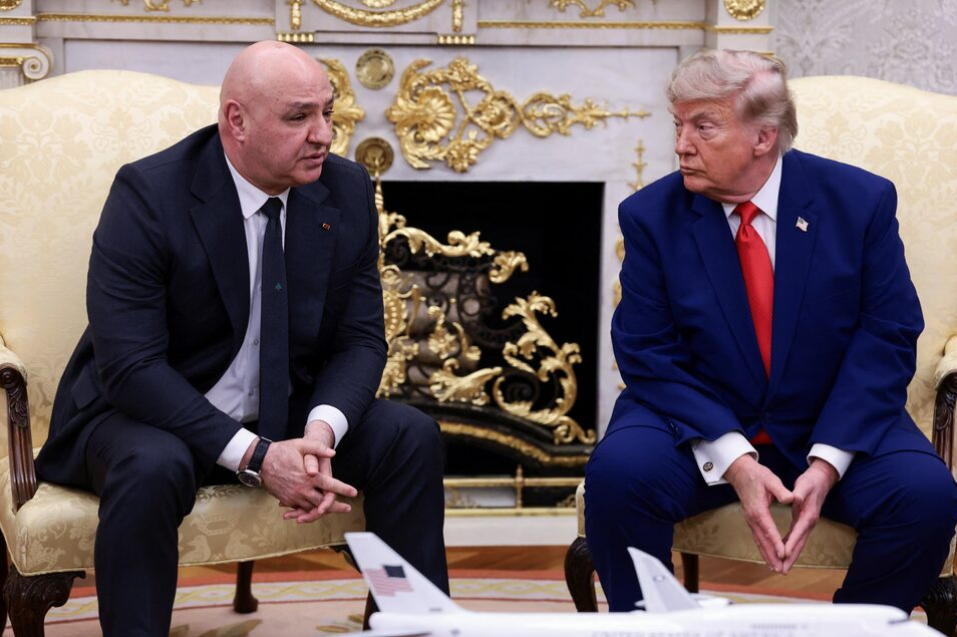
Lebanese President Joseph Aoun’s July 21 visit to Washington, where he met US President Donald Trump at the White House, marked the first visit by a Lebanese head of state to Washington in nearly two decades. It came as Lebanon and Israel sought to consolidate a reduction in hostilities and implement a US-mediated framework based on “pilot zones” in southern Lebanon. The pilot zones are intended to test a phased Israeli withdrawal, the restoration of Lebanese state control and the Lebanese army’s removal of non-state military infrastructure. During the meeting President Trump directed his administration to allow US airlines to resume direct flights to Lebanon, subject to the necessary security review, ending a ban dating back to 1985.
For LIMS, the significance of the visit extends beyond diplomacy. It contributes to the gradual de-risking of Lebanon and sends a signal to international investors, businesses and travellers that the country is seeking to re-establish itself as a normal economy rather than a permanent conflict zone. That signal matters as Lebanon prepares for a post-war recovery effort.
The challenge now is to convert improved external relations into actual investment. Lebanon has opportunities in sectors where the state has historically played a dominant role, particularly electricity, telecommunications and transport. In energy, the move towards greater private participation in generation and distribution could create opportunities for new investment. Telecommunications could similarly attract capital if competition is allowed to develop. Aviation offers another opportunity, particularly through the development of Qlayaat airport in northern Lebanon.
Qlayaat should not be viewed simply as an additional airport. For a tourism, a key sector for Lebanon, dependence on a single international gateway creates a significant vulnerability. Even when Beirut airport remains operational, the possibility of a sudden closure or disruption can deter travellers who fear being unable to leave the country if hostilities resume. The economic cost of that uncertainty can be almost as damaging as an actual shutdown. Two international gateways would give Lebanon a contingency option during periods of disruption while creating additional capacity and competition in peacetime.
External diplomatic support will not by itself generate an economic recovery. The next step must come from Beirut. Greater international engagement can reduce the perception of risk but domestic reform is what will ultimately determine whether investors are prepared to put their money behind it.
- One Billion Dollars as a First Step Toward Post-War Recovery… Will Delayed Reforms Hold Back the Flow of Aid? July 15, 2026: Leb Economy, Article (AR)
- From the Financial Gap to Electricity: What Awaits Lebanon in the Next Economic Phase? July 15, 2026: Red TV, Video interview (AR)
- War Shakes Travelers’ Confidence in Beirut Airport… Could Qlayaat Airport Be the Lifeline for the Tourism Season? July 20, 2026: Aljadeed, Video interview (AR)
- Lebanon After the War: How Extensive Are the Losses, and What Path Lies Ahead for Recovery? July 24, 2026: Sky News Arabia, Video interview (AR)
- Patrick Mardini: Announcing the Possibility of Holding an Investment Conference Is a Real First Step Toward Reducing Risks for Lebanon. July 25, 2026: Bil Arabei, Article (AR)