

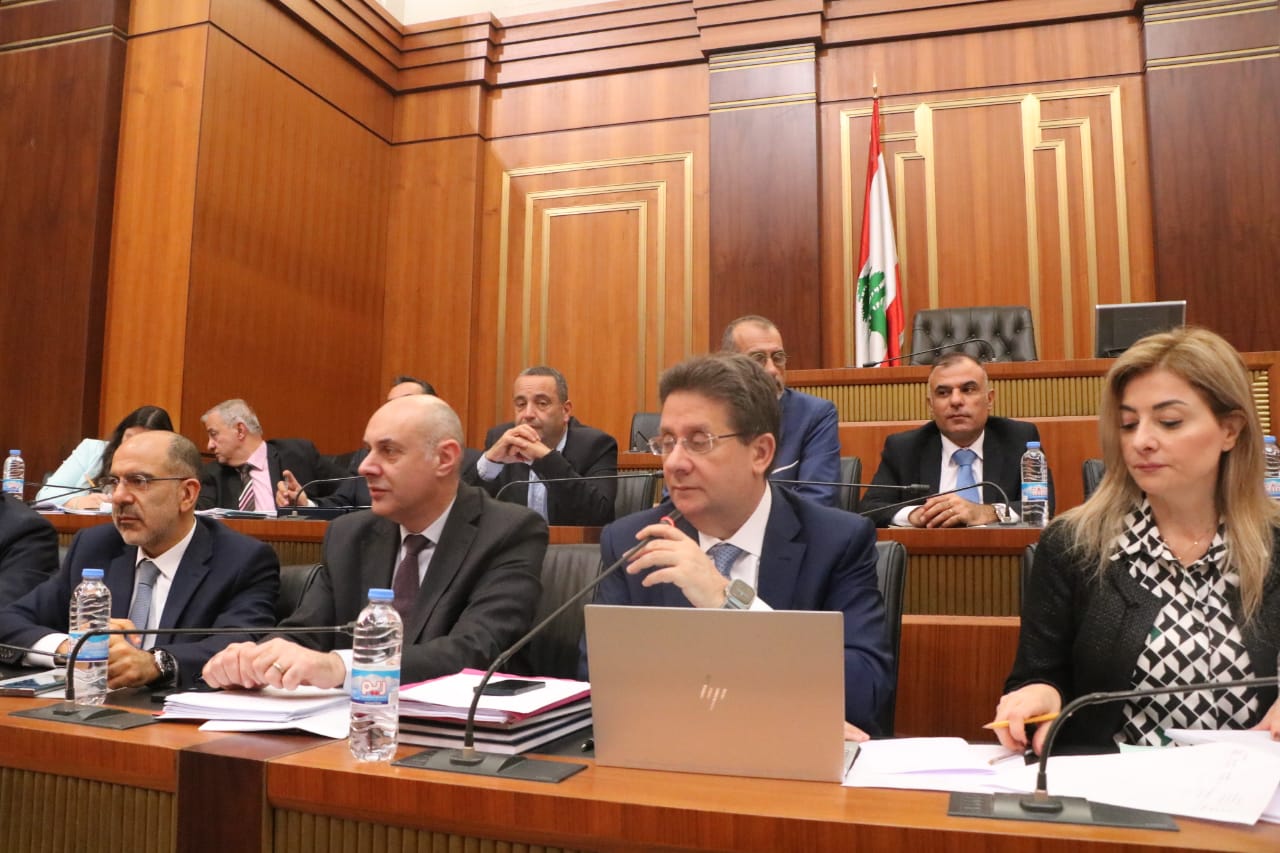
Lebanon’s 2026 draft government budget largely follows the framework of the previous year, projecting higher revenues through improved tax collection and better compliance. These projections come amid renewed public sector unrest, which continued from October into November, with employees staging sit-ins and warning of civil disobedience to demand salary adjustments that would offset the collapse of real wages.
While these protests highlight the economic hardship faced by public employees, Lebanon’s fiscal situation leaves little room for additional wage increases. Salaries and benefits already consume the vast majority of government spending, and further hikes would deepen the fiscal deficit, increase monetary expansion, drain foreign exchange reserves, and further undermine the purchasing power employees seek to protect.
LIMS stressed that any salary adjustments must be linked to productivity gains rather than granted universally. Lebanon’s public sector remains oversized and inefficient, shaped by political patronage, sectarian hiring, and appointments detached from economic need. Addressing these structural inefficiencies is essential before considering broad wage increases.
Moreover, LIMS highlighted that tackling the high cost of living requires reforms beyond salaries. Reducing monopolies in electricity, water, telecommunications, and waste management (sectors where entrenched public and private interests keep prices high and service quality low) would lower costs, improve services, and generate employment opportunities.
- Public Sector Employees’ Salary Dilemma: No Raises Before Improving Productivity, November 1, 2025: Nida El-Watan, Article (AR)
- Rebuilding Regional Trust: Keys To Ending Lebanon’s Isolation And Restoring Foreign And Gulf Investment, November 25, 2025: Tele Liban, Video Interview (AR)