

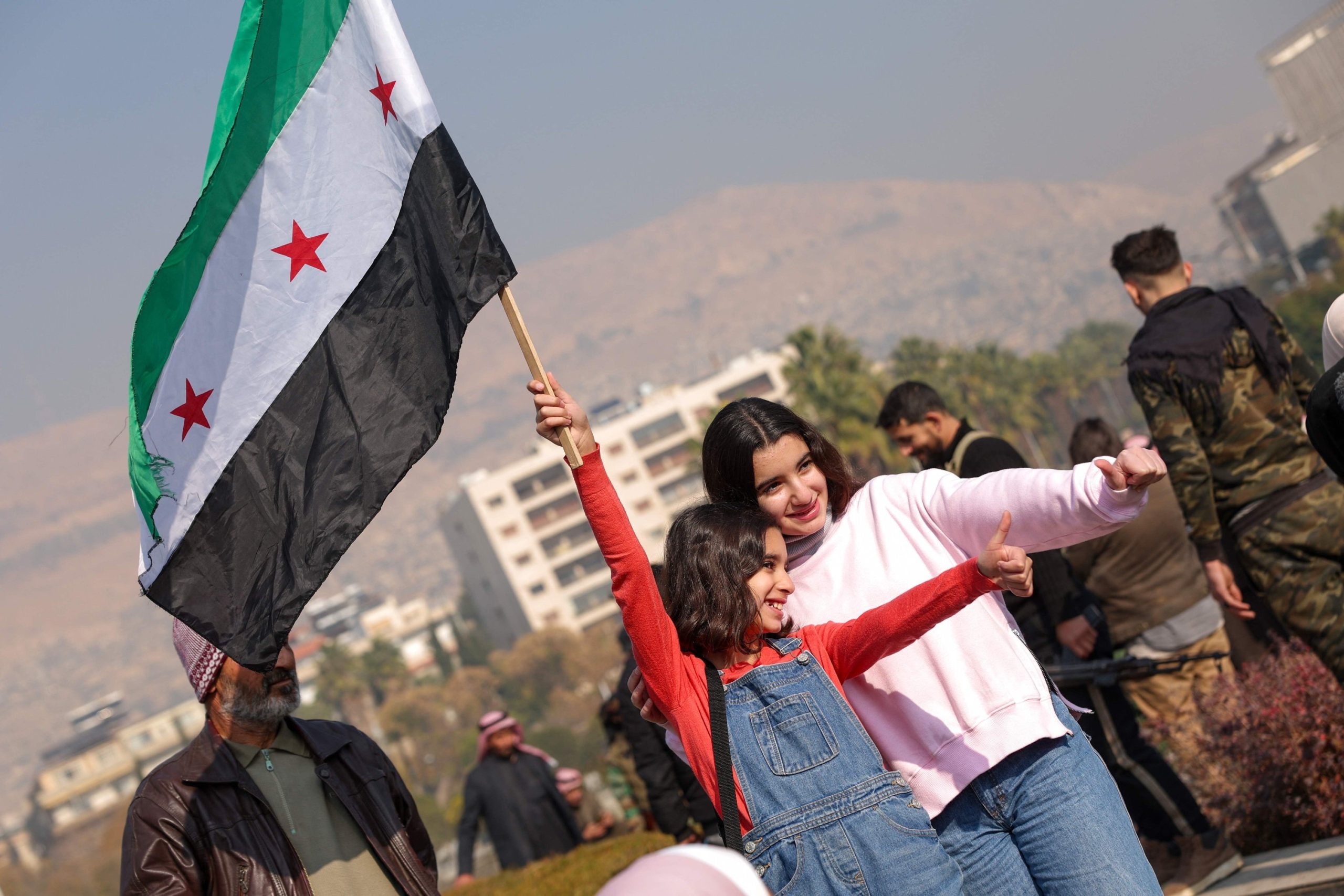
One year after the fall of the Assad regime, Syria remains burdened by the economic legacy of conflict, isolation, and decades of state-dominated industrial and trade policies. Through its SERAJ initiative, LIMS argued that recovery will depend on reopening the economy to trade, competition, and capital.
On trade policy, LIMS emphasized that meaningful liberalization is essential. Eliminating tariffs and non-tariff barriers would reduce input costs, increase competitiveness, and expand consumer choice. While recent policy discussions in Damascus suggest movement in this direction, LIMS cautioned against viewing tariffs primarily as a revenue tool as reliance on trade taxes risks undermining competitiveness and long-term growth.
Tax reform is another priority. Syria’s complex and uneven tax structure discourages investment and encourages evasion. LIMS recommended replacing it with a simplified flat tax applied equally to individuals and companies, with rates set competitively relative to neighboring economies. Encouragingly, recent developments indicate a shift toward flatter tax structures. Such simplification would improve compliance, facilitate financial planning, and signal that Syria is committed to a predictable, investor-friendly environment.
State-owned enterprises represent a third challenge. Many public industrial firms remain inefficient, overstaffed, and resistant to modernization, absorbing fiscal resources while generating limited value. LIMS argued that privatization and competition offer the only sustainable path forward, but sequencing matters: competition should precede privatization to prevent cronyism and asset capture, risks that loom large in transitional settings. Non-viable enterprises should be liquidated, viable firms privatized, and natural monopolies carefully regulated.
Syria’s economic recovery will ultimately depend not only on reconstruction but also on the credibility of its reforms. By opening trade, simplifying taxes, and privatising state-owned enterprises, the country can shift from a closed, state-dominated model to a dynamic market economy. Such reforms would lower costs, attract investment, and lay the foundations for sustainable growth and long-term stability.
- Free Trade: A Gateway to Lift the Syrian Economy from Isolation to Integration. January 8, 2026: LIMS, Policy brief (AR)
- Roadmap to Exit the Planned System in Syria: Launching Competition and Privatizing the Public Industrial Sector. January 8, 2026: LIMS, Policy brief (AR)
- Developing a Competitive Fiscal Policy That Aligns with a Free Market Economy. January 8, 2026: LIMS, Policy brief (AR)
- Summary on Syria Adopting a Competitive Fiscal Policy Aligned with a Free Market Economy. January 8, 2026: LIMS, Policy brief (AR)
- Summary on Lifting the Syrian Economy from Isolation to Integration through Free Trade. January 8, 2026: LIMS, Policy brief (AR)
- Summary on Launching Competition and Privatizing the Public Industrial Sector to Exit the Planned System in Syria. January 8, 2026: LIMS, Policy brief (AR)
- Economic Control Tools in Syria and the Axes of Transition to a Market Economy. January 13, 2026: LIMS, Policy brief (AR)