

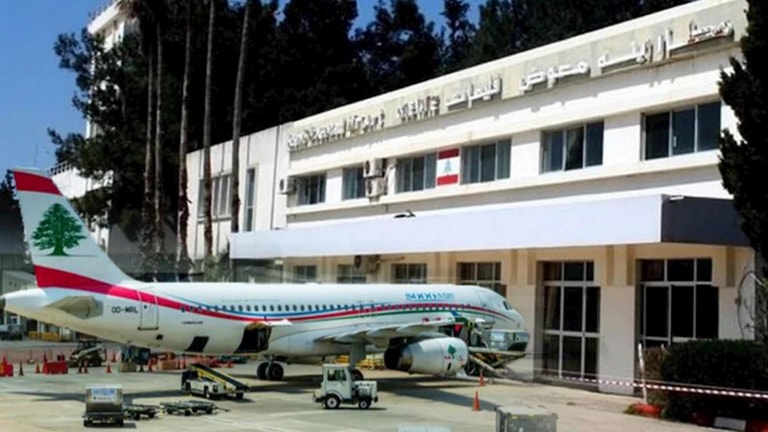
In June, Lebanon took important steps toward expanding its aviation infrastructure by officially launching the development of René Moawad (Qlayaat) Airport in Akkar as the country’s second civilian airport. Developing Qlayaat Airport represents an important opportunity to promote economic development in the north. A functioning airport could support broader regional growth by connecting with the Port of Tripoli, strengthening logistics networks, attracting investment, and creating employment opportunities in an underserved region.
LIMS welcomed the development of Qlayaat Airport as a positive step toward expanding Lebanon’s aviation infrastructure and enhancing resilience, competition and private investment in the sector. Lebanon already has the legal framework to operate multiple civilian airports and separate regulatory oversight from airport operations. Expanding the use of airports such as Qlayaat, and eventually Hamat and Rayak for domestic, regional, and charter flights would reduce barriers to entry, encourage new airlines to operate in Lebanon, improve service quality, and reduce costs.
However, LIMS cautioned against creating another monopoly at the new airport, replicating the underlying challenges that has characterized Beirut airport and Middle East Airlines. Because of those monopolistic structures, the sector remained constrained with limited competition, investment, and improvements in service quality. The new airport should be accompanied by broader liberalization measures supported by the newly appointed regulator.
Ultimately, Lebanon’s aviation reform should be measured not only by the construction of new infrastructure or the creation of new institutions, but by whether these changes produce greater competition, more choice, improved services, and broader economic opportunities.
- Qlayaat Airport in Northern Lebanon… A Dream Coming True After Three Decades. June 10, 2026: AlAraby, Article (AR)
- “Beirut Airport Corporation” Reopens the Regulatory Authorities Debate: Where Does Oversight End and Operations and Regulation Begin? June 18, 2026: Annahar,