

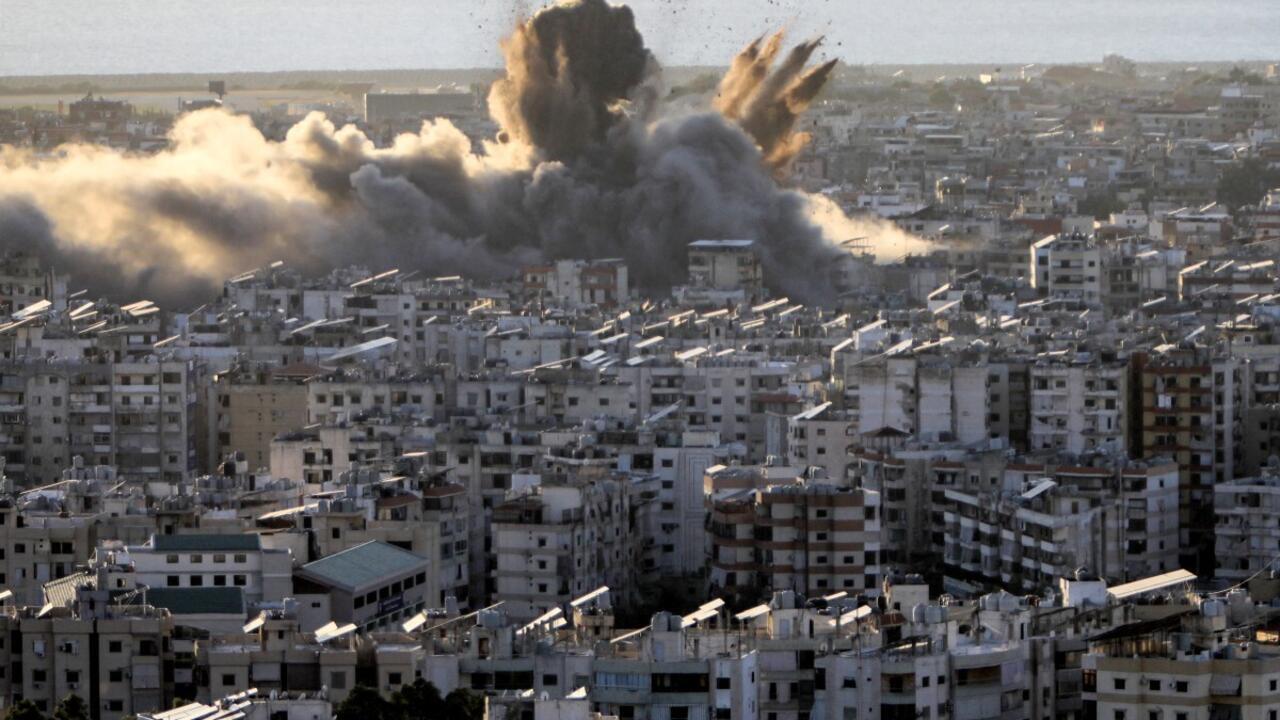
Hezbollah opened a front against Israel in early March amid escalating U.S.–Israeli strikes on Iranian targets, turning Lebanon into a theatre of the wider regional conflict. Although Iran secured a ceasefire with the United States and Israel, Hezbollah remains trapped in a war it cannot win or exit, absorbing relentless Israeli airstrikes across the country.
The Lebanese state has responded by declaring all Hezbollah military and security activities illegal, ordering the army to arrest those who launch attacks against Israel. In a rare diplomatic escalation, Lebanon has deported members of the Iranian Revolutionary Guard Corps, expelled more than 150 Iranian operatives, and declared the Iranian ambassador persona non grata. The government also announced direct talks with Israel for the first time in decades, further isolating Hezbollah.
LIMS notes that while U.S. and Israeli forces targeted military assets and senior leadership in Iran, the latter focused on economic chokepoints that affect roughly one‑fifth of global oil and gas supply. The result has been a surge in oil prices, higher fertilizer costs, and sharply elevated shipping and insurance premiums. For Lebanon, importing over 80 % of its food, this translates into steep inflation starting with food, transportation and electricity, and spreading to the rest of the economy, further eroding the purchasing power of a country already mired in depression.
Hezbollah’s entry has compounded the shock. More than 2,000 people have been killed and 6,000 injured, with over one million displaced and extensive destruction across the south, Bekaa Valley and parts of Beirut. Economic activity has stalled in these regions, while reconstruction and relief costs are mounting. If the conflict drags into summer, LIMS warns that the tourism season, critical for foreign‑currency inflows, will be severely hit, pushing Lebanon back into negative growth and devaluation pressures.
- Lebanon on the Brink of Collapse: How Much Will the War Cost the Economy? March 3, 2026: Aljadeed, Video interview (AR)
- Lebanon at a Crossroads of Economic Recovery: Will It Sustain Growth or Fall Into the Abyss of Crises? March 9, 2026: Al Liwaa, Article (AR)
- Oil Tankers Are Stuck and Shipping Costs Are Skyrocketing Multiple Times. March 13, 2026: Annahar, Article (AR)
- How Does the Regional War Affect Global Energy Security and the Region’s Economy? March 16, 2026: Al-Yaman Al-Yawm, Video interview (AR)
- Between War and Market Volatility: What Is the Future of Oil and Commodity Prices in Lebanon? March 26, 2026: VDL, Video interview (AR)
- From the Strait of Hormuz to Beirut: What Price Is the Lebanese Economy Paying? March 30, 2026: Adawla, Video interview (AR)
- Collapse After Collapse: The War Is Draining What Remains of Lebanon’s Economy. March 30, 2026: Beirut 24, Video interview (AR)