

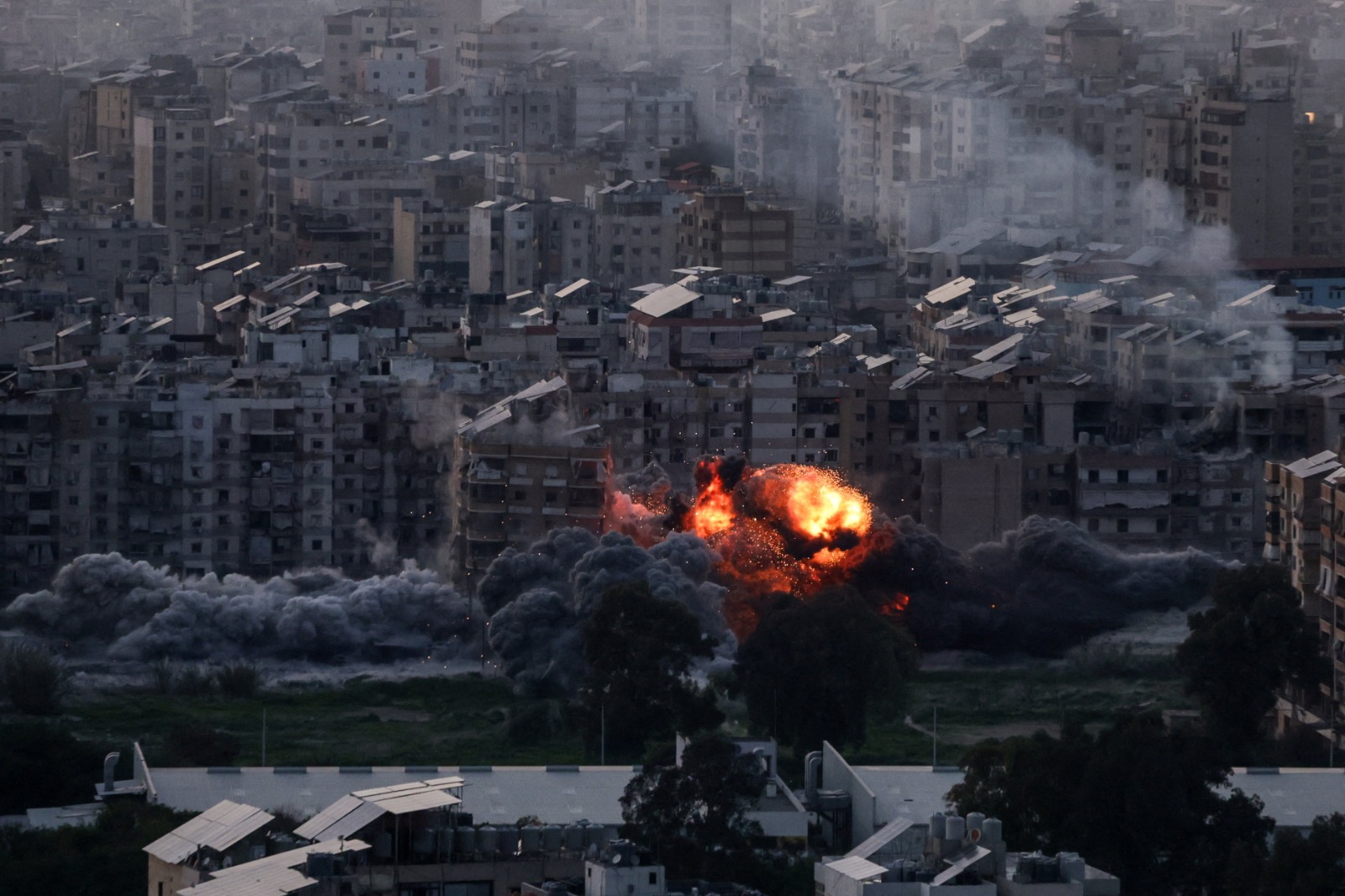
On February 28, open hostilities erupted between Iran, the United States, and Israel. Only days later, on March 2, Hezbollah launched missiles and drones targeting the Israeli military south of Haifa, effectively opening a new front from Lebanon. The decision shocked much of the Lebanese establishment. In the weeks and days preceding the escalation, Hezbollah had repeatedly reassured officials that it had no intention of dragging Lebanon into war.
These assurances came at a moment many hoped would be a historic turning point. The Lebanese Armed Forces had just completed the first phase of a peaceful process to disarm Hezbollah’s military presence at the boarders of Israel (south of the Litani River). Plans were already underway for a second phase that would gradually extend this process to the rest of the country, raising hopes that Lebanon might finally move toward restoring full sovereignty over its territory. Those hopes were abruptly shattered.
The escalation could hardly have come at a worse time. Lebanon is still struggling to recover from the devastating banking crisis that wiped out much of the population’s savings and shattered confidence in the financial system. With the formal financial system largely paralyzed, many Lebanese have turned to cash, raising concerns about its use to facilitate Hezbollah financing and money laundering. At the same time, the government faces growing pressure to raise public sector wages despite extremely limited public finances and the continued sovereign default on Eurobond payments.
Against this backdrop, the economic challenges become even more critical. Lebanon’s economic weaknesses will significantly affect its ability to cope with the war, from humanitarian pressures and refugee flows to strains on host communities, economic paralysis, and eventually reconstruction and recovery.