

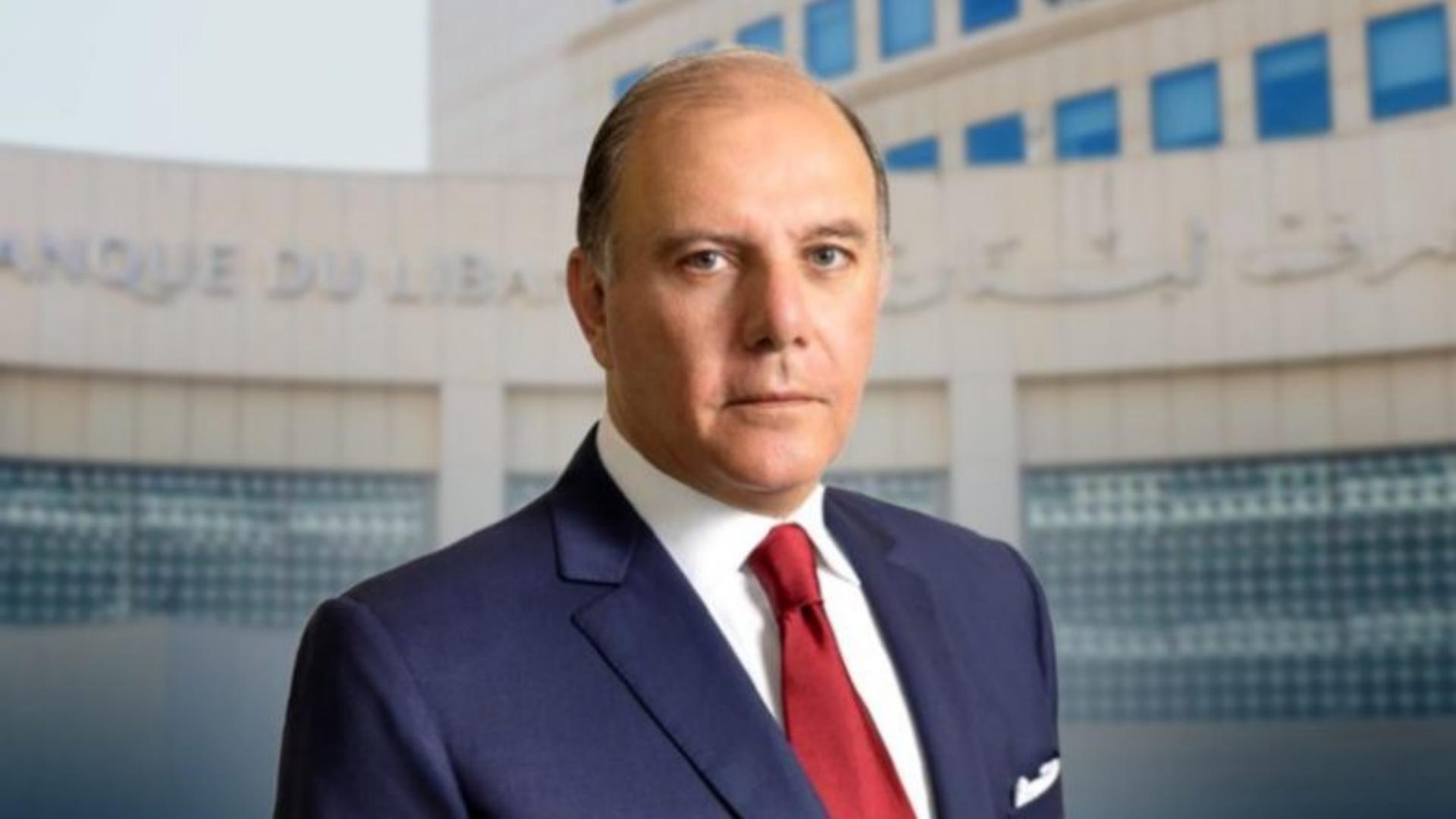
Lebanon’s central bank has seen its gold reserves swell to nearly US$38 billion amid the global rally, reviving calls to tap part of the gold to ease a financial crisis now in its sixth year. Proponents of a sale or leasing scheme say gold could help inject liquidity without adding to public debt or fueling inflation. The debate has resurfaced as IMF talks remain frozen and the banking sector remains paralysed by disputes over how to allocate roughly US$80 billion in losses, address US$16 billion in contested BDL liabilities, and advance broader restructuring.
LIMS has firmly rejected these ideas, stressing that under Law No. 42 of 1986, the Banque du Liban (BDL) is barred from selling or encumbering its gold without parliamentary approval. Drawing on reserves in the absence of structural reform risks repeating the policy mismanagement that contributed to the loss of an estimated US80 billion over the past decade. Gold remains one of the few anchors of confidence in the domestic currency, particularly at a time when central banks worldwide are expanding, rather than liquidating, their bullion holdings.
Instead, LIMS contends that Lebanon’s best prospect for reviving the financial system lies in the establishment of a legally binding currency board to restore credibility to the Lebanese pound by ensuring full reserve backing. Such a framework would encourage domestic cash hoarders, expatriates, and international investors to convert dollars into local currency and redeposit them in banks, providing a critical liquidity lifeline. A formal currency board would also offer insulation against political shocks, security crises, and renewed pressures for fiscal monetisation, factors that have repeatedly undermined exchange-rate stability.
LIMS argued that a second priority is to unblock the flow of credit, which has been effectively frozen since the onset of the crisis. With firms unable to borrow to finance operations or expansion, productivity has deteriorated and growth prospects have dimmed. In the absence of agreement on burden-sharing for the financial losses, credit can still resume by allowing new banks to enter the market or by permitting existing lenders to issue loans to productive sectors and recover them in fresh-dollar. Restoring credit would stimulate investment, employment, and output.
Taken together, LIMS’s alternative blueprint, anchoring the exchange rate through a currency board and reopening credit channels, seeks to rebuild confidence and place Lebanon’s banking sector on a path to recovery.
- The International Monetary Fund: Lebanon’s Only Solution Or Its Biggest Problem? October 20, 2025: Transparency News, Video interview (AR)
- Is There A Glimmer Of Hope For The Future Of Lebanon’s Economy? October 21, 2025: Sawt El Shaab, Video interview (AR)
- After Two Years Of Stability, What Is The Fate Of The Lira’s Exchange Rate? October 25, 2025: Aljadeed TV: Video interview (AR)