

Rising global oil prices, driven by regional conflict, are feeding swiftly into Lebanon’s energy costs. Although the country imports fuel from Europe, Turkey and North Africa, routes largely shielded from Gulf disruptions, the pressure is transmitted through prices rather than supply. Prices of petrol and diesel at the pump, along with electricity generated by private diesel operators, are set to climb.
LIMS responded to calls for price regulation warning that attempts to cap prices would backfire by discouraging imports and risking shortages, arguing instead for frequent price adjustments to reflect global volatility and safeguard supply, even if it means successive increases in prices.
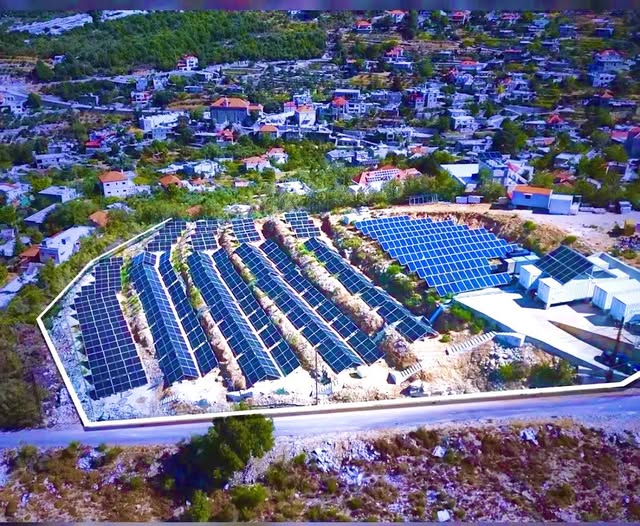
The conflict has also sharpened the urgency of electricity reform. Large displacement is straining already fragile infrastructure in host communities, especially as Lebanon remains heavily dependent on an informal, diesel generator network. LIMS argues that empowering the Electricity Regulatory Authority (ERA) to license private providers would enable rapid deployment of additional generation capacity, including solar-battery systems, to sustain critical services. Such a move would mobilise private capital, ease fiscal pressures and begin integrating the good parts of the informal operators into a regulated framework, delivering speed and reliability that the public sector alone struggles to match.
Pilot decentralised local schemes, combining generation, smart metering and renewable energy, point to a viable pathway for reform. On the other hand, centralised systems of Electricité du Liban (EDL) continue to grapple with fuel procurement constraints, technical losses and chronic non-payment, leaving its finances increasingly exposed to rising oil prices. Separating distribution from billing and allowing retail suppliers to enforce payments could improve bill recovery, while bringing effective informal collectors into the formal system.
Reliable electricity is essential for Lebanon’s economic recovery. Without it, businesses face higher operating costs and persistent uncertainty, eroding competitiveness and discouraging both domestic and foreign investment. In a country still contending with war‑driven shocks, ensuring dependable power becomes indispensable.
- Beyond Budget Figures: A Roadmap for Comprehensive Reform February 3, 2026: RedTV, Video interview (AR)
- Finally, the Electricity Sector Regulatory Authority Has Been Appointed: When Will the Facility’s Performance Become Organized? February 11, 2026: Aljoumhouria, Op-ed (AR)
- The Treasury Closes Its Doors to Financing Electricity and Waste, and Opens the Door to Municipal Solutions February 19, 2026: Al Liwaa, Op-ed (AR)
- Generator Tariffs Will Increase in Line With Fuel Prices, and State Electricity Faces Options Whose Best Is Bitter. March 10, 2026: Nidaa Al Watan, Article (AR)